How do I buy property in Iceland? Can foreigners buy a home in Iceland? What are the average house prices in the country, and are there any regulations that could compromise the home-buying process? Read on to learn everything you need to know about buying property in Iceland.
As Iceland continues to captivate the imagination of foreign visitors, many are beginning to fantasize about staying in the country for much longer than just a vacation.
Some will even go further, seriously considering whether they could live on the island permanently. This dream shouldn’t come as a surprise, given the charming effect Icelandic society often has on people.
Consider the lack of crime, the strong education and healthcare systems, the incredible natural landscapes, and the friendly locals. These and other factors draw people to a long-standing relationship with the country, a relationship that many would like to take to the next level.
Icelandic houses come in all shapes and sizes, from quaint and traditional to new, contemporary dwellings.
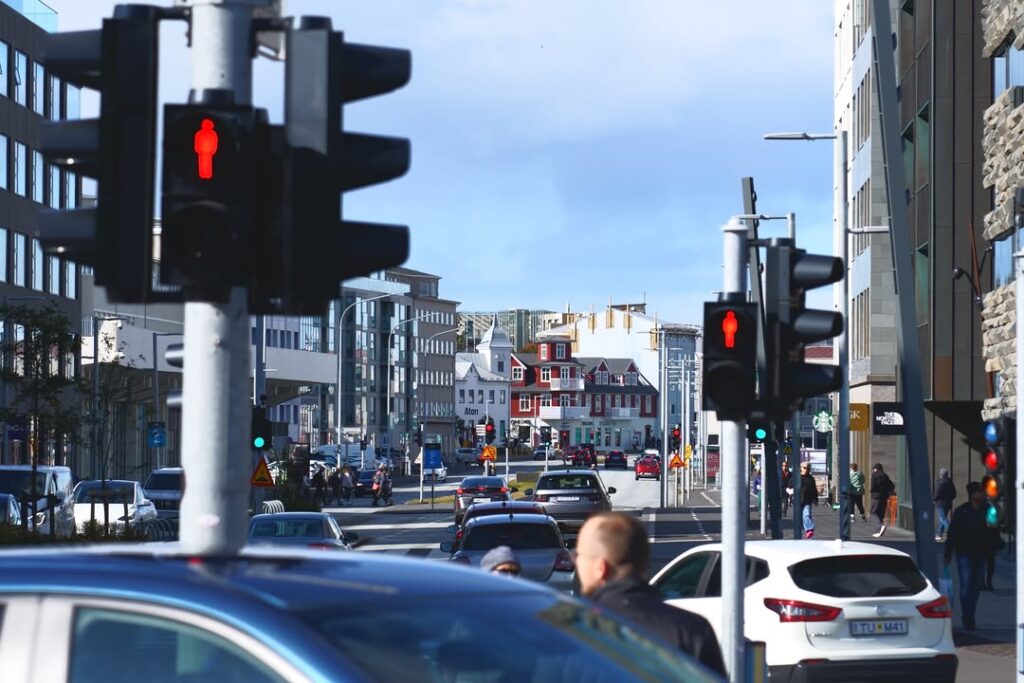
Buying property in Iceland is perhaps the biggest commitment one can make to this small island. Whether one is looking to purchase a property for permanent residence or hoping to rent it out to foreign visitors or local Icelanders, the Icelandic housing market presents one of ever-changing opportunities.
Buying Property as a Foreigner in Iceland
When looking at the origins of visitors to Iceland, the majority hail from the United States (27%), with guests also coming from the United Kingdom (16%), Germany (7%), and Canada (5%). France (4.6%) and China (4%) follow.
These figures reflect Icelandic property buyers, with Americans taking the crown for their buying interest. Particularly noteworthy is the large number of Icelanders living abroad who prefer to buy a second home in their home country. Purchases of existing properties have undoubtedly increased since Iceland’s economic recovery from the 2008-2011 financial crisis.
One of the main rules that applies to foreign and potential property owners is the requirement to obtain approval from the Icelandic Ministry of Justice. The Ministry handles a wide range of civil matters, including human rights, immigration, policing, personal rights, elections, and more.
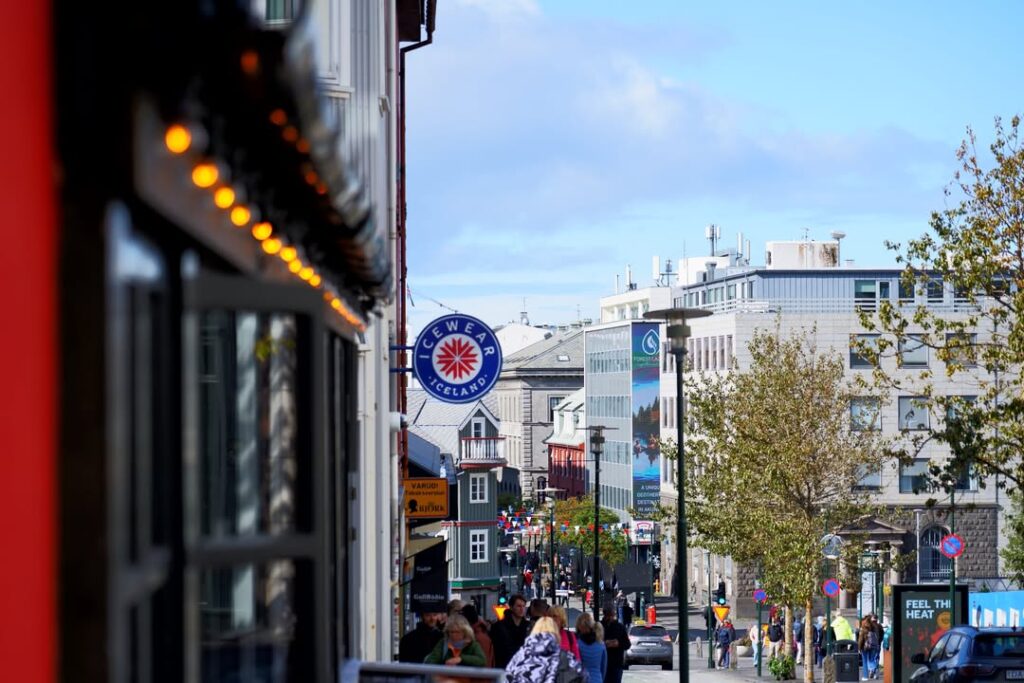
The Housing Finance Fund states that EEA citizens legally residing in Iceland can purchase property, just like any other natural-born citizen. To obtain a residence permit, you must apply to the Icelandic Directorate of Immigration.
For those who do not intend to live in Iceland, it is still possible to purchase real estate if they obtain special permission from the Ministry of Justice.
However, potential buyers are strongly advised to spend some time in Iceland to familiarize themselves with the Icelandic real estate market. This will give them ample opportunity to understand the ebbs and flows of the market.
Property prices in Iceland
Average house prices and inflation rates vary significantly across Iceland. This is primarily due to demographic trends in each region. However, given the market’s flexibility, any potential buyer should be aware that these rates continue to fluctuate, primarily due to four main factors.
The four main drivers of the real estate market are the current economy, interest rates, demographics, and government subsidies. Potential buyers should consider all of these factors before making a proposed investment.
One of them is the current trend of sharp price increases, driven by the ever-increasing influx of visitors to Iceland
. In 2017 alone, the countrywide residential property price index nearly tripled from 8.06% the previous year to a whopping 23.15%.
As expected, real estate in the capital, Reykjavik, is more expensive than in smaller cities across Iceland. In 2019, prices for single-family homes in Iceland increased by 2.37%, while those for multi-family homes increased by just under 3.47%. Currently, the average price of residential property in the capital ranges from 40 million ISK (US$382,500) to 50 million ISK (US$478,130).
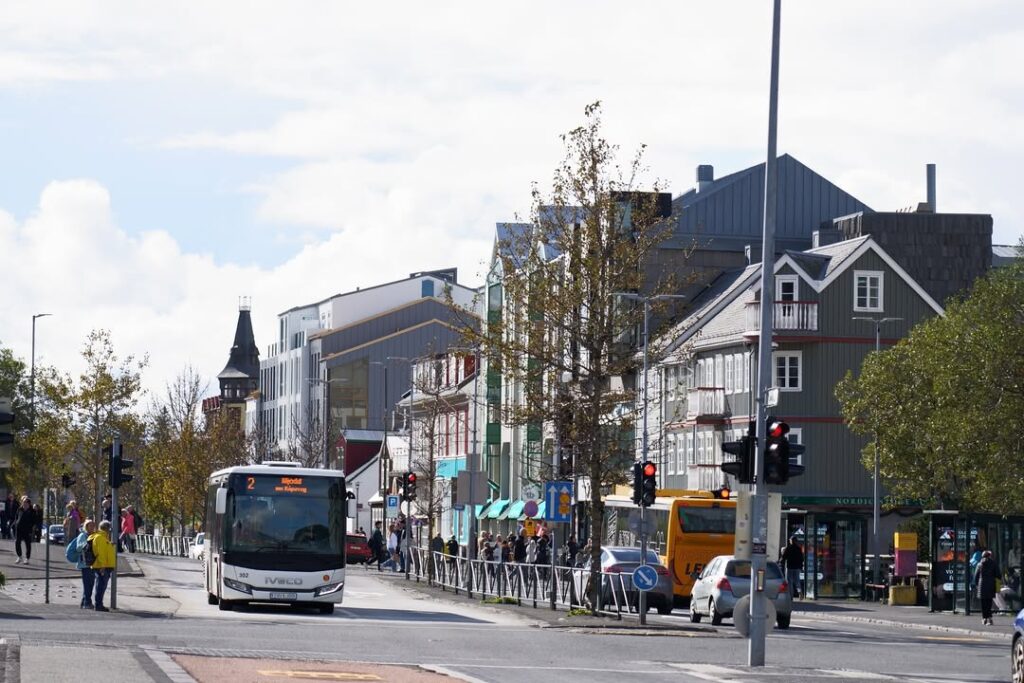
The cheapest areas of the city for real estate are Hafnarfjörður and Mosfellsbær, both located on the outskirts of the city. These areas follow an expected trend due to the limited supply of real estate closer to the city center. In recent years, it has become clear that construction in the city has not kept pace with demand.
The most expensive town to buy property in East Iceland is Egilsstaðir, as it is the most populous in the region (around 2,350 people) and has amenities nearby, including a hospital, college and airport.
The cheapest area in the country to buy property is the sparsely populated Westfjords. In fact, in the past, the local municipality gave away free property in the hopes of increasing the Westfjords’ population.
Why buy property in Iceland?
If your intention is to live in Iceland, the reasons are clear and compelling. This county is renowned for its incredible landscapes, forward-thinking, English-speaking population, and rich creative culture, making it one of the safest and most aesthetically pleasing places on earth.
Of course, what Iceland makes up for in its stunning natural environment, it lacks in urban development, reflecting the country’s small population of approximately 350,000. Therefore, one of the main reasons to buy property here is to invest in Iceland’s future.
The old days when Iceland was isolated from foreign visitors and had any impact on the global stage are long gone; the country is attracting too much interest from outside. With this interest, naturally, comes cold, hard cash. Despite the current problems with the pace of construction in Iceland, this new funding means that the country’s urban development is still in its early stages.
Construction property in Iceland
Much of Reykjavik was simply built by local residents over the centuries.
Speaking to local Icelanders, it’s not uncommon to hear that their family homes were built by an ancestor back then. This type of construction has contributed to the island’s unique architecture, and many examples demonstrate the Icelandic knack for beautifully blending homes with their surroundings.
The DIY approach to home building has naturally become much more regulated over time. However, opportunities remain widely available for those willing to begin their journey with an empty lot, a few plans, and a head full of ideas.
To build, remodel, or modify a property with an extension, you must obtain a building permit from the local municipality inspector. The building inspector will consult with various committees to ensure the remodeler complies with all building codes before issuing the permit.
Building property within any of Iceland’s national parks, including Thingvellir, Vatnajökull and Snaefellsnes, is prohibited due to the need to preserve the respective natural environment of each area.
Real estate agents in Iceland
Those looking to buy property in Iceland will likely need a local, English-speaking real estate agent, if only for the insider information and purchasing opportunities they can offer. However, this comes with additional costs.
A real estate agent’s commission can range from 1.5% to 2.4% of the total property value. Additionally, the stamp duty rate for property transfers is ISK 2,000, plus 0.8% of the official property value. Finally, the property registration fee is 0.1% of the property value.